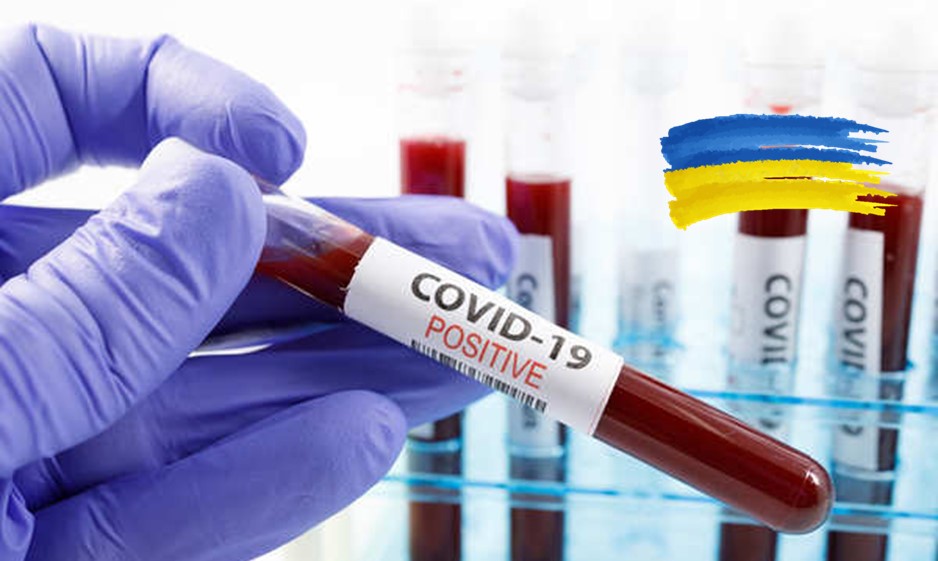
Providing COVID-19 biospecimens for research – we need to find a way for saving human lives and improving well-being.
A new study published in the Journal of Clinical Medicine measured both proCPU and CPU+CPUi over time to determine the impact of SARS-CoV-2 infection on the CPU system. These findings may assist in determining whether CPU plays a role in the hypofibrinolytic state that is observed in COVID-19 patients.
The study involved hospitalized patients who were at least 18 years of age and with confirmed SARS-CoV-2 infection. Clinical data, recorded interventions, and information regarding disease severity were collected. Clinically healthy individuals were also included in the study to serve as controls.
Blood samples were collected from the hospitalized patients shortly after hospitalization, who were also monitored periodically until their discharge. For controls, two blood collections were acquired four weeks apart. Plasma proCPU concentrations, as well as antigen levels of both activated and inactivated CPU (CPU+CPUi), were determined from the collected samples. Routine laboratory parameters of the COVID-19 positive cohort were also determined.
The current study found that an increase in both proCPU and CPU+CPUi antigen levels occurs after hospital admission for COVID-19 patients. These CPU changes can lead to fibrinolysis shutdown and increase the risk of thrombosis in COVID-19 patients. CPU inhibitors can therefore be used as therapeutics to potentially increase the fibrinolytic capacity of COVID-19 patients. Furthermore, CPU+CPUi antigen levels may serve as a biomarker with prognostic value, as they correlate to disease severity and duration of hospitalization.
Please find more information in the Journal of Clinical Medicine, articles, “Activation of the Carboxypeptidase U (CPU, TAFIa, CPB2) System in Patients with SARS-CoV-2 Infection Could Contribute to COVID-19 Hypofibrinolytic State and Disease Severity Prognosis”.
Approximately 15% of COVID-19 patients develop viral pneumonia and require oxygen support, of which about 5% of patients can develop sepsis, severe acute respiratory distress syndrome (ARDS), and/or multiorgan failure. These facts underline the importance of non-stop research on human biospecimens. We need to find a way for saving human lives and improving well-being by developing a series of studies to predict and prepare for the lasting impact of the global pandemic.
BIOMEDICA CRO is proud to participate in research on new biomarkers, preclinical trials, drugs and vaccines development. Our team is ready to collect various high-quality human biospecimens and associated data from both hospitalized patients with confirmed SARS-CoV-2 infection and healthy individuals.
Because of the war in Ukraine we had to pause our operations, but we redirect all your requests to our trusted international partner. From every completed project order by them, we will receive a commission which will be spent for the defense of Ukraine (not less than 50%) and support of the Ukrainian operation team. Once the Ukrainian sky is clear and safe, we will continue to provide you with high-quality service in the field of biospecimen collection.
Please email us to start our collaboration: office@biomedica-cro.com / LinkedIn.